
Petroleum Laboratory Testing
ISO 17025 aligned analysis for EN590, Jet A1, D6, REBCO and LCO.
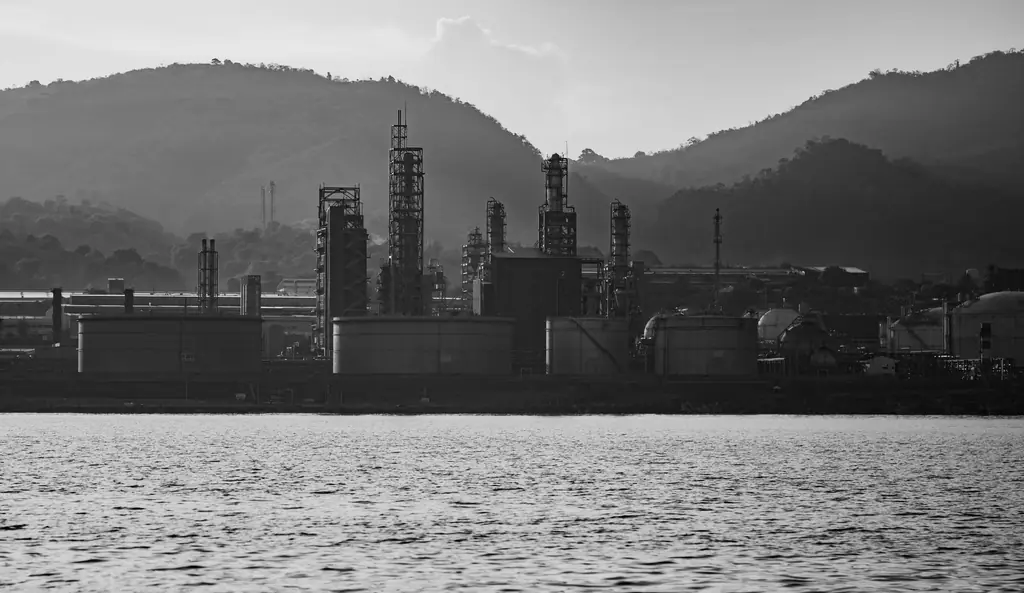
Why is fuel tested at every transfer?
Fuel is tested to prove it still meets its specification each time it changes hands. Laboratory analysis checks properties such as density, sulphur, flash point and water content against standards like EN 590 for diesel or DEF STAN 91-091 for jet fuel, so off-spec or contaminated product is caught before it moves on.
The Jansma approach to laboratory testing
Every Jansma terminal has an on-site laboratory staffed by qualified chemists and equipped for the full suite of ASTM, ISO and EN methods. Results are delivered electronically within the same shift as the sample, with full chain-of-custody and LIMS traceability.
- Accreditation
- ISO/IEC 17025 aligned
- Methods
- ASTM, ISO, EN, IP
- Turnaround
- Same-shift for routine, 48h for spec
- Sample retention
- 90 days minimum
What the desk handles.
EN590 full spec
Sulphur, density, CFPP, FAME, cetane and lubricity, to EN ISO and ASTM methods.
Jet A1 certification
Full DEF STAN 91-091 / ASTM D1655 release testing, including MSEP and Existent Gum.
Fuel oil D6
Viscosity, density, CCAI, water, sediment, vanadium, sodium, aluminium+silicon.
Crude assay
API gravity, sulphur, RVP, salt, BS&W, pour point, TBP distillation.
LCO blending studies
Cetane, density, sulphur and stability for blending with ULSD.
Contamination forensics
GC-MS and ICP for root-cause analysis of off-spec and contaminated cargoes.
Why customers choose us.
On-site, not outsourced
No samples leave the terminal unless the method demands it, so results come back in hours, not days.
LIMS traceability
Every result is linked to the sample, the tank, the vessel and the operator who took it.
Third-party witness
We routinely host nominated surveyors for joint sampling and analysis.
Often combined with.
Talk to the desk that actually runs this service.
No call centres, no forms that vanish. You'll speak to a commercial manager who owns the P&L for this line.
Contact the desk